
Blog
Best Practices for Poultry Farming in Nigeria

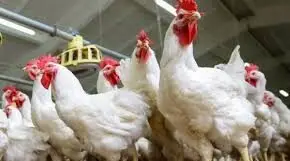
Poultry farming is one of the fastest-growing agribusiness sectors in Nigeria, offering quick returns on investment and providing a steady supply of eggs and meat to meet the nation’s protein needs. However, success in this business depends on more than just buying a few birds and building a pen — it requires knowledge, planning, and consistent good practices. Whether you are a smallholder farmer or running a large-scale operation, these best practices can help you thrive in the competitive poultry industry.
1. Start with the Right Breed
Choosing the right breed is the foundation of profitable poultry farming. In Nigeria, layers are reared primarily for egg production, while broilers are raised for meat. Local breeds may be more disease-resistant but have slower growth rates, while exotic breeds produce more but require stricter management. Decide on your target market — eggs, meat, or both — before selecting your birds.
2. Build a Clean, Well-Ventilated Poultry House
A poultry house should protect birds from predators, harsh weather, and disease. Good ventilation prevents the buildup of ammonia gases from droppings, which can harm the birds’ respiratory system. Ensure adequate spacing to reduce overcrowding — a common cause of stress, disease outbreaks, and low productivity. Use wire mesh and secure doors to keep rats, snakes, and other pests away.
3. Practice Strict Biosecurity
Biosecurity is simply keeping diseases out of your farm. Limit visitor access, disinfect equipment, and ensure that feed and water are clean. Quarantine new birds for at least two weeks before introducing them to the main flock. This reduces the risk of spreading infections like Newcastle disease, coccidiosis, and avian influenza.
4. Feed for Performance, Not Just Survival
Feeding is one of the largest costs in poultry farming, but it’s also the most important factor in productivity. Provide a balanced diet that contains the right proportions of protein, energy, vitamins, and minerals. Avoid using moldy feed, as it can cause serious health problems. For small-scale farmers, mixing your own feed can save money, but only if you have the right formulation knowledge.
5. Keep Water Clean and Constant
Birds can survive without feed for a while, but they can’t last long without water. Ensure there is always clean, cool water available. In hot weather, increase water availability as birds drink more to regulate their body temperature.
6. Health Monitoring and Vaccination
Prevention is cheaper than cure. Follow a proper vaccination schedule to protect your flock from common diseases. Observe your birds daily — changes in eating habits, droppings, or behavior can be early signs of illness. Prompt action can save your flock.
7. Record Keeping and Business Mindset
Treat poultry farming as a business, not a hobby. Keep records of feed usage, egg production, sales, mortality, and expenses. These records help you track performance, identify problems, and plan for growth.
8. Market Before You Produce
Many farmers produce first and then look for buyers — a risky approach. Secure your market in advance, whether it’s local egg sellers, hotels, restaurants, or processors. This ensures a steady cash flow and reduces losses.
With the right practices, poultry farming in Nigeria can be a rewarding venture that provides income, creates jobs, and boosts food security. Like any business, it rewards those who plan, manage well, and keep learning. Your chickens may not lay golden eggs, but they can certainly lay the foundation for a golden future.